

In our interconnected world, global events often have direct and indirect effects on local economies, including here in Minnesota. Understanding these impacts can help communities like Nisswa navigate challenges and seize opportunities arising from international developments.
Trade and Export Dynamics
Minnesota’s economy is significantly influenced by international trade. For instance, in the second quarter of 2025, the state experienced a $1.3 billion decline in exports, marking a 19% decrease compared to the same period in 2024. This downturn was largely due to a substantial drop in mineral fuel and oil exports to Canada, which fell by 96%, amounting to $703 million less than the previous year. Such fluctuations underscore the state’s sensitivity to global market changes and the importance of diversifying export portfolios.
Immigration Policies and Local Economies
Federal immigration enforcement actions can have profound effects on local businesses and communities. In early 2026, Minnesota saw an unprecedented surge in Immigration and Customs Enforcement (ICE) activities, leading to widespread economic disruptions. Reports indicated that 80% of surveyed businesses experienced canceled, postponed, or reduced bookings or sales due to the heightened federal presence. Additionally, 90% of partners reported that fear or stress was affecting operations, and 72% noted staffing absenteeism. These statistics highlight the intricate link between immigration policies and local economic health.
Cultural Events and Community Resilience
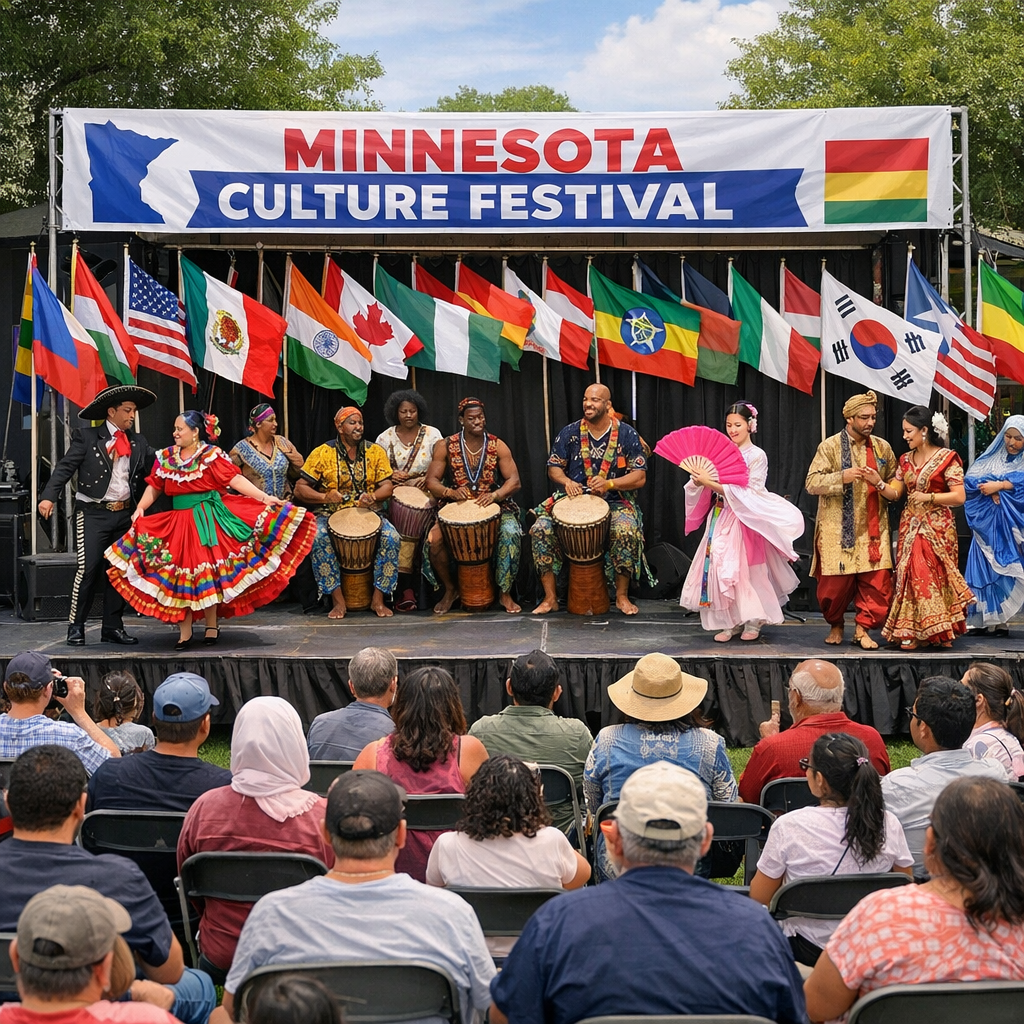
Despite challenges, Minnesota continues to celebrate its cultural diversity through events like the International Festival of Minnesota. Formerly known as the Festival of Nations, this event returned in April 2026, featuring participation from 67 nations and ethnic communities. Such festivals not only enrich the state’s cultural fabric but also stimulate local economies by attracting visitors and promoting local businesses.
Understanding the interplay between global events and local economies is crucial for communities like Nisswa. By staying informed and adaptable, we can better navigate the complexities of our globalized world and foster a resilient local economy.