

As we navigate the complexities of the current U.S. economic landscape, several key factors are shaping our nation’s financial health. Understanding these elements is crucial for communities like Nisswa, Minnesota, as they influence local economies and daily life.
Inflation and Energy Costs
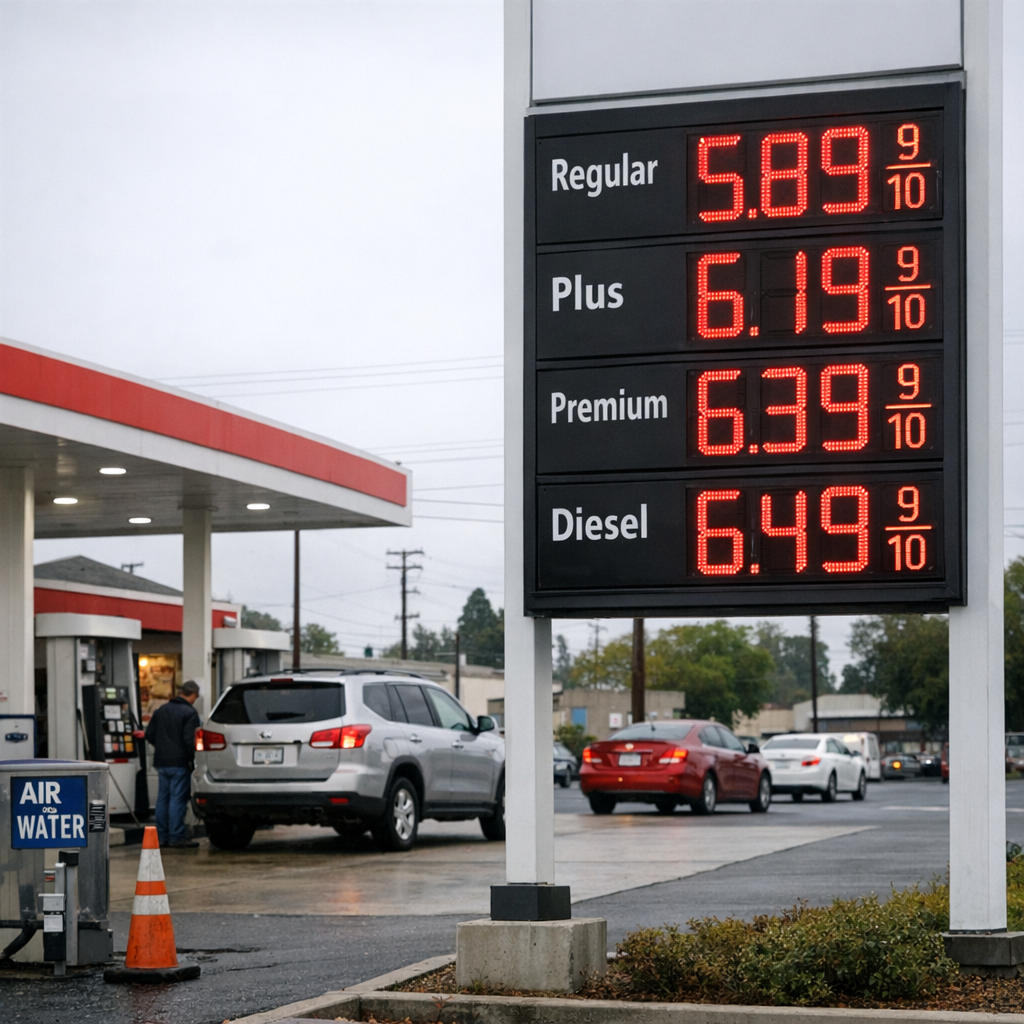
Recent data indicates a significant rise in inflation, reaching 3.8% in April, the highest in three years. This uptick is largely attributed to escalating energy costs, with national average gas prices exceeding $4.50 per gallon, and some states experiencing prices above $5. The surge is primarily due to the ongoing military conflict with Iran, which has disrupted global oil supplies.
Employment Trends
Despite these challenges, the labor market has shown resilience. In April, U.S. employers added 115,000 jobs, even amidst the global oil shock caused by the Iran conflict. This growth suggests a degree of stability in employment, providing a silver lining amid economic uncertainties.
Public Sentiment and Political Concerns
Public sentiment reflects growing anxiety about the political system. A recent Gallup poll reveals that about one-third of Americans view politics and government as the nation’s most pressing issues. This concern is particularly pronounced among older Americans, while younger demographics are more focused on economic challenges like housing affordability.
Local Implications
For residents of Nisswa, these national trends have tangible local impacts. Rising fuel prices can affect commuting costs and the tourism industry, a vital component of our local economy. Employment trends may influence job opportunities in the region, and political concerns can shape community discussions and engagement.
Staying informed about these developments enables us to better navigate the economic landscape and make decisions that support our community’s well-being.