

By James Larson
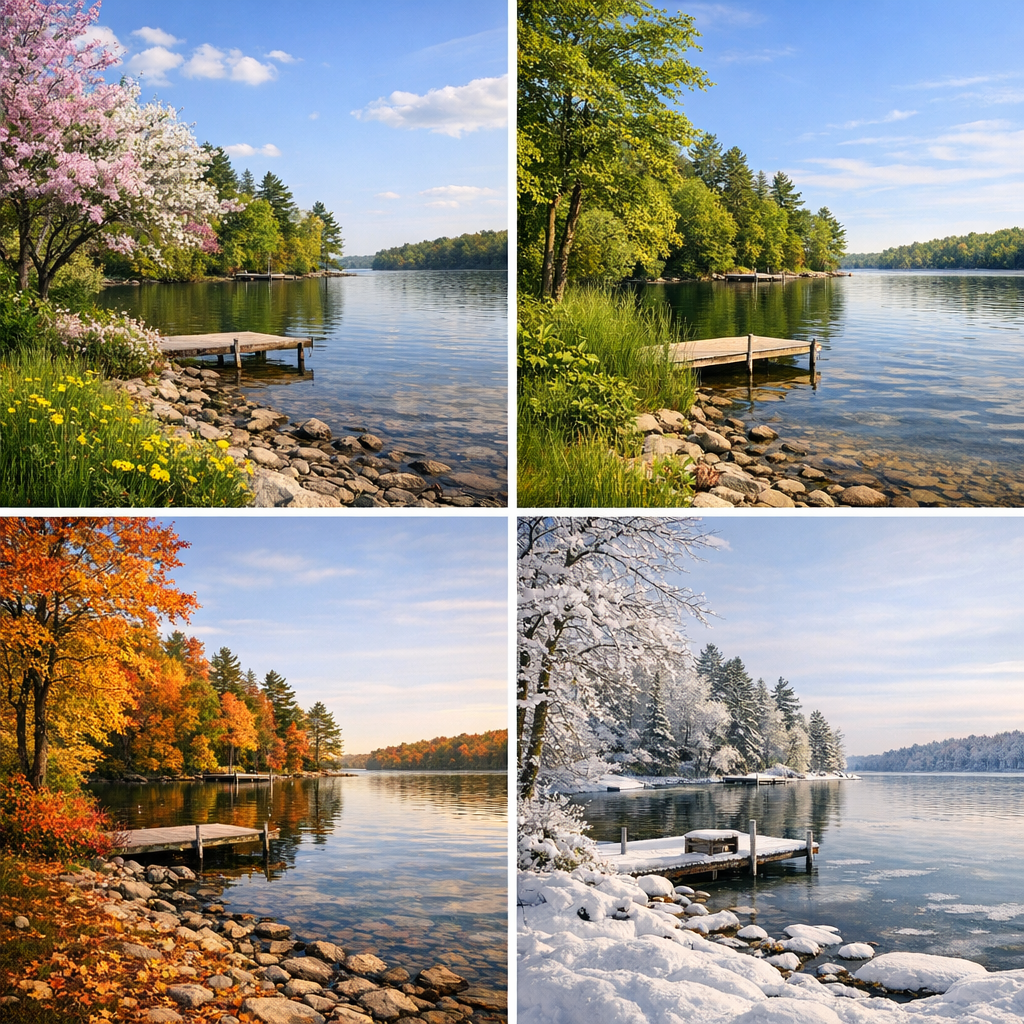
Nisswa sits amid lakes, forests, and rolling land — which means its weather and seasons aren’t just pretty; they’re central to daily life. Over time, though, we’re seeing clear shifts in temperature, precipitation, and how nature responds.
Warmer Winters, Shorter Snowy Periods
The coldest months are heating up fastest. Winter lows are rising faster than summer highs, reducing the number of deeply cold nights we used to expect. Along with that, snow is hanging around for fewer days each year. For lake lovers, that means shorter ice seasons; for forests, a shorter “blanket” of snow that shifts how trees, animals, and soil survive the cold. These trends are especially strong in central Minnesota.
More Rainfall — and It’s Heavier When It Comes
Over the last century-plus, Minnesota has gotten wetter overall. What’s changing most noticeably: intense rain events are becoming more frequent, especially in spring and winter, while summers increasingly bring drier spells followed by thunderstorms. Flooding, erosion, and water quality in lakes are concerns, as is the risk, during heat stress, for farms and outdoor workers.
Seasons That Don’t Feel Quite as Distinct
Autumn now starts later and holds on longer. September has warmed significantly, delaying frost and keeping fall colors later into the season. Spring’s green-up is arriving earlier, though surprises remain—a last frost or cold snap can still follow blooming trees. These shifts affect everything from gardening plans to wildlife patterns.
Environment and Community Responses
As the environment shifts, so does its health and how we live within it. Warmer lakes increase risks for algal blooms, especially after heavy rain carries in nutrients. Mosquito and tick seasons extend, potentially raising concerns for outbreaks. Across the region, people are adjusting — from planting more resilient gardens, to considering stormwater management upgrades, to enjoying fall’s mild hoodie weather longer before turning on the heater.
What Nisswa Residents Can Do
- Observe what you see — note bloom dates, first frost, lake ice in and out. These small records help show what’s changing locally.
- Plant and garden with an eye toward climate resilience — native species tend to adapt better to shifting patterns.
- Support clean-water practices in your area to reduce runoff and protect lakes.
- Stay aware of extreme weather risk and be ready for more intense storms.
Change is happening — slowly enough that many mornings feel familiar, fast enough that seasons aren’t what they used to be. But with awareness and action, Nisswa can adapt to a shifting sky without losing what makes its landscape magical.